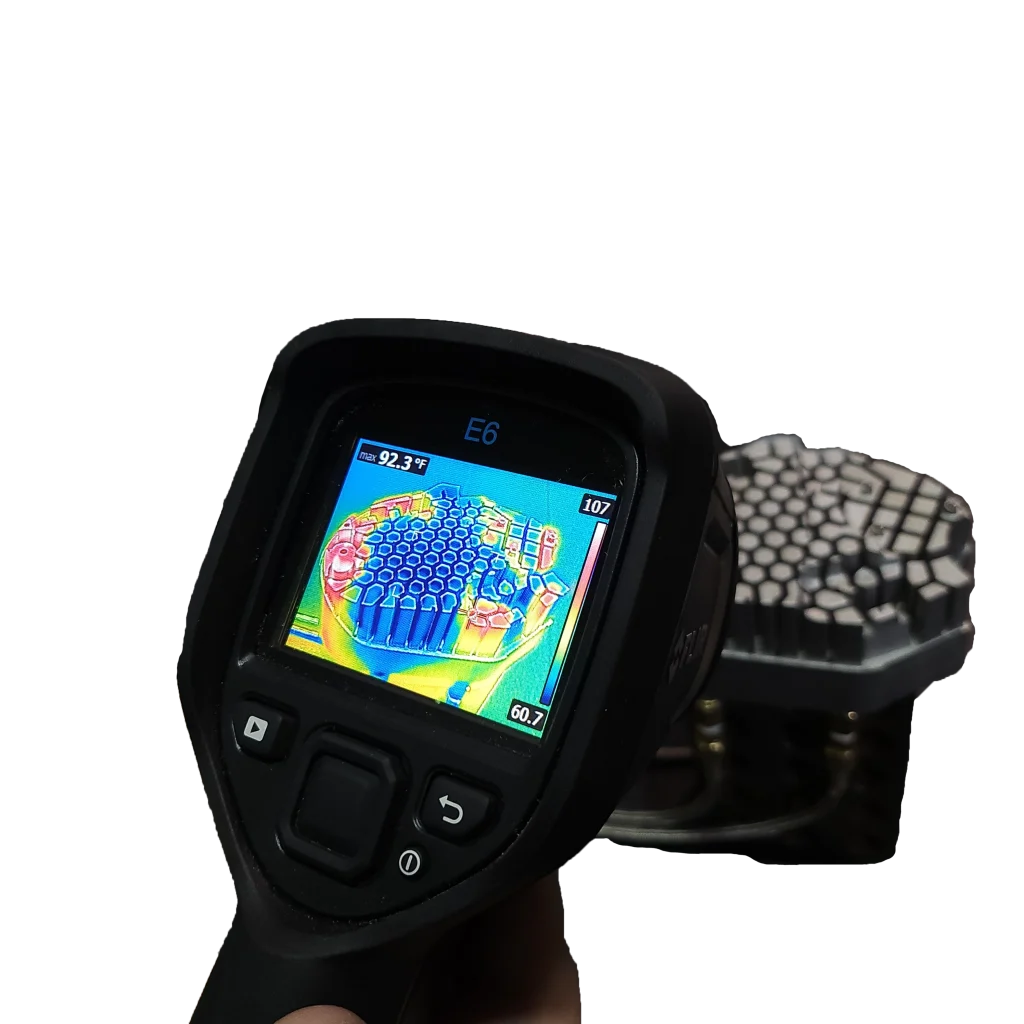
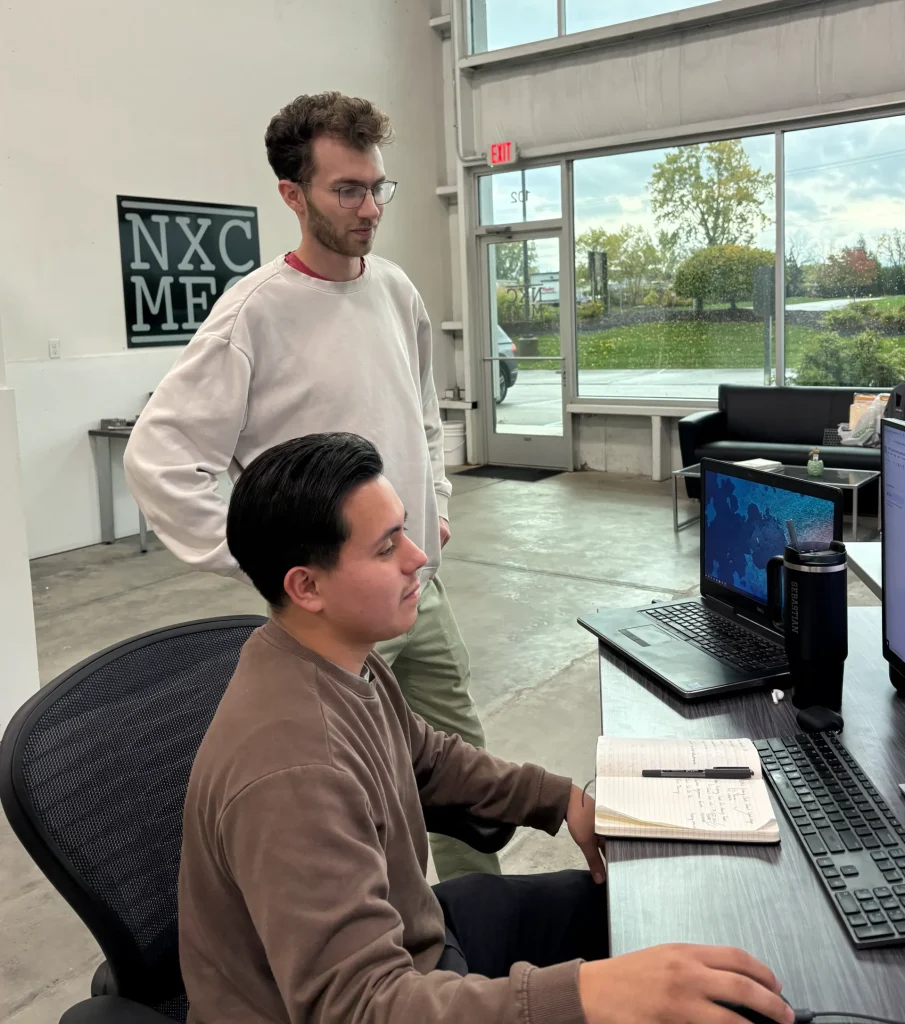
At Next Chapter Manufacturing, simulation isn’t just a checkbox. It’s where design decisions become data-backed performance. We apply rigorous mold analysis to quantify exactly how much better your tooling will run with our solutions.
Before
After
Mold flow simulation allows us to identify potential molding issues before steel is cut. By analyzing material flow, cooling performance, filling patterns, and potential defects during the design phase, we can make informed engineering decisions that reduce costly revisions, shorten development timelines, and improve production outcomes.
Simulation helps identify issues such as weld lines, air traps, sink marks, short shots, excessive warpage, uneven filling, and cooling inefficiencies. Addressing these challenges during engineering is significantly more cost-effective than discovering them during mold trials or production.
Absolutely. Mold flow simulation is valuable for both new tooling projects and existing molds experiencing production challenges. Whether you’re looking to improve part quality, eliminate recurring defects, or increase throughput, simulation provides engineering insights that help identify opportunities for optimization.
Mold flow simulation is an integral part of our engineering approach. It allows our team to validate tooling designs with data before manufacturing begins, reducing uncertainty and improving performance from the start. Combined with our expertise in advanced tooling design and conformal cooling, simulation helps us deliver molds engineered for greater efficiency, consistent quality, and long-term reliability.